
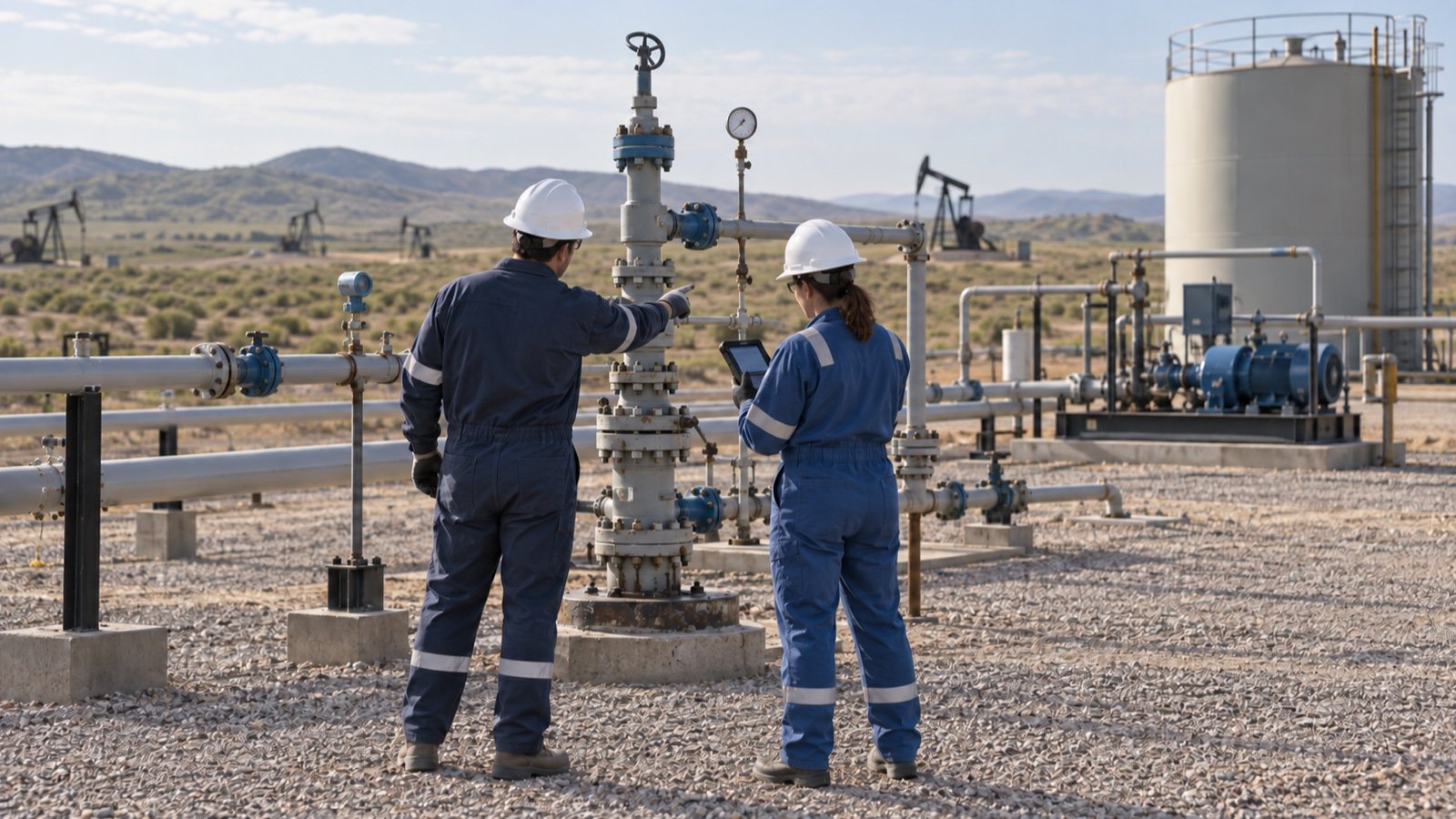
OIL & GAS · TECHNICAL AREA
Reservoir & EOR
By combining reservoir evaluation with data-driven engineering, this specialist area connects field development planning and enhanced oil recovery. The courses cover AI-assisted petrophysical evaluation, permeability estimation, and well-log prediction as complementary approaches to understanding reservoir properties. Enhanced oil recovery topics include gas-based methods, water-alternating-gas injection, foam, and injection strategies involving carbonated water, smart water, low-salinity water, and chemicals. The listed CO2 and hydrogen subjects also address gas storage in carbonate reservoirs, with established recovery applications distinguished from emerging hydrogen-related research. Field development planning links reservoir strategies with surface and downhole facilities, economic analysis, pilot design, and advanced gas condensate reservoir management. Digital twins and wider AI applications bring these topics together through integrated models and data-supported decision-making in the oil and gas industry.
9 COURSES
Courses in this area
Course
What it covers
Suitable roles
Training Workshop on Enhanced Oil Recovery
Introduces enhanced oil recovery (EOR) approaches and their relationship to reservoir properties and field development objectives. Gas-based and water-based injection themes provide context for recovery planning.
Suitable for: Reservoir Engineer, Reservoir Simulation Engineer, Production Engineer
Petrophysical Evaluation Using AI
Explores artificial intelligence (AI) approaches to interpreting petrophysical data and characterizing reservoir properties.
Suitable for: Petrophysicist, Reservoir Geologist, Reservoir Engineer
Permeability Estimation from Petrophysical Properties Using AI
Relates measured or interpreted petrophysical properties to permeability estimation using artificial intelligence (AI). The emphasis is on data relationships used to describe reservoir flow properties.
Suitable for: Petrophysicist, Reservoir Engineer, Reservoir Simulation Engineer
Petrophysical Log Prediction Using AI
Focuses on artificial intelligence (AI) methods for predicting petrophysical logs from available well data. Predicted logs are considered in the context of reservoir evaluation and data interpretation.
Suitable for: Petrophysicist, Formation Evaluation Specialist, Reservoir Geologist
Use of CO2 and H2 Gases in EOR Methods (WAG, Foam, etc.) and Storage – Field Experience in Carbonate Reservoirs
Discusses carbon dioxide (CO2) in enhanced oil recovery (EOR), including water-alternating-gas (WAG) and foam methods, alongside gas-storage topics in carbonate reservoirs. Hydrogen (H2) is considered as an emerging research topic, distinct from established recovery applications.
Suitable for: Reservoir Engineer, Reservoir Simulation Engineer, Production Chemist
Preparation of a Standard MDP for a Field, Including Surface/Downhole Facilities and Economic Analysis
Links preparation of a master development plan (MDP) with field planning, surface and downhole facilities, and economic analysis. Engineering assumptions and development options provide a basis for organizing the field study.
Suitable for: Field Development Engineer, Reservoir Engineer, Facilities Engineer, Petroleum Economist
Operational Design and Field Pilot Water Injection (Carbonated Water, Smart Water, Low Salinity Water & Chemicals)
Reviews water-injection design and pilot planning across carbonated water, smart water, low-salinity water and chemical injection approaches. These options are considered in relation to reservoir development strategies.
Suitable for: Reservoir Engineer, Production Engineer, Production Chemist
Advanced Gas Condensate Reservoir Management
Gas condensate behaviour provides the basis for discussing reservoir management and development decisions. The scope connects reservoir evaluation with production strategy.
Suitable for: Reservoir Engineer, Reservoir Simulation Engineer, Production Engineer
Design and Development of Digital Twins and AI Applications in the Oil & Gas Industry
Connects digital twin design with artificial intelligence (AI) applications in oil and gas systems. Integrated models and data-supported analysis provide a framework for discussing engineering decisions.
Suitable for: Digital Twin Engineer, Reservoir Simulation Engineer, Process Engineer, Petroleum Data Scientist
Who these courses are for
Reservoir Engineer
Reservoir Simulation Engineer
Production Engineer
Petrophysicist
Reservoir Geologist
Production Chemist
HOW TO APPLY
Your next step, when you are ready.
Select APPLY to open the shared application page with Reservoir & EOR preselected, then choose a course.
Related areas

FEATURED AREA
Oil & Gas Law
Examine international legal frameworks, contract responsibilities, risk allocation, dispute resolution, and compliance considerations in oil and gas projects.

TECHNICAL AREA
Corrosion Control
Examine material selection, cathodic protection, and advanced inspection methods for corrosion management and asset integrity assessment.
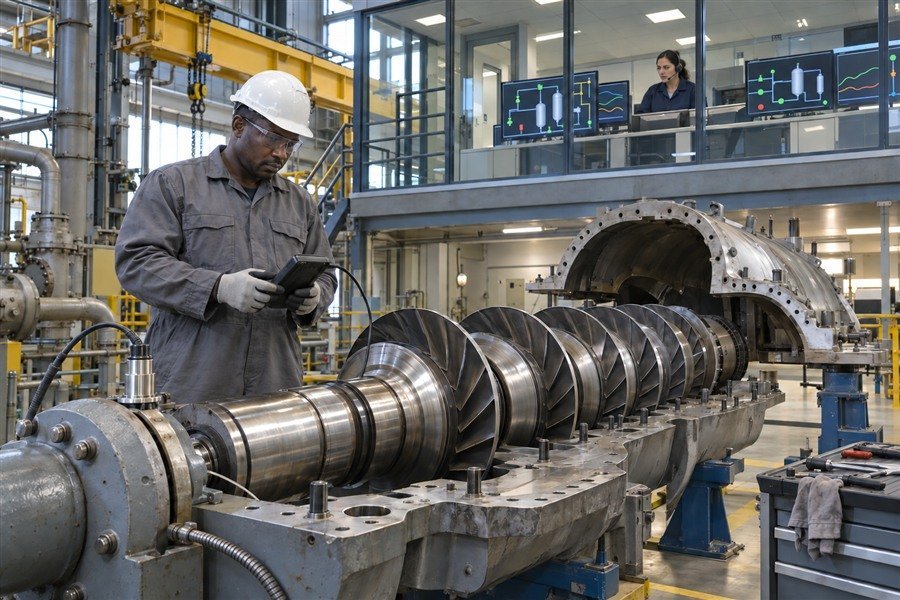
TECHNICAL AREA
Process & Equipment
Explore process control, rotating equipment, analytical instruments, pipeline modeling, and environmental assessment for industrial process facilities.
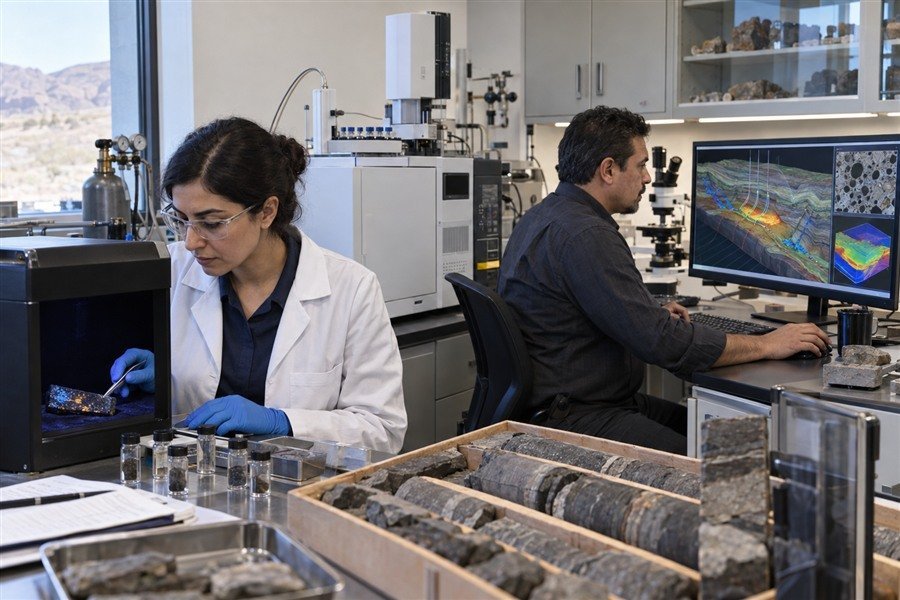
TECHNICAL AREA
Geochemistry & Modeling
Explore petroleum systems, geochemistry, digital rock physics, and integrated modeling for reservoir evaluation and development.

TECHNICAL AREA
Drilling Engineering
Explore advanced drilling methods, offshore rigs, drilling fluids, simulation, and equipment topics for complex well operations.

TECHNICAL AREA
Deepwater & Subsea
Discover deepwater well planning, subsea equipment, drilling operations, completions, and risk management across offshore well development.