

OIL & GAS · TECHNICAL AREA
AI & Software Engineering
At the intersection of software engineering and artificial intelligence, this specialist area explores advanced development methods and their role in enterprise digital transformation. Its courses cover AI-assisted software development and MLOps alongside microservices, cloud-native architectures, blockchain, smart contracts, and decentralized applications. Deep learning and reinforcement learning provide the technical foundation for exploring intelligent systems, optimization, and control. Industrial automation and predictive maintenance connect AI methods with equipment monitoring and operational applications. Enterprise software strategy, AI strategy, intelligent software management, and AI-driven business intelligence address how organizations select technologies, modernize workflows, and support decisions. Cybersecurity, ethics, governance, and compliance run across these subjects, emphasizing secure development and responsible use of software and AI.
12 COURSES
Courses in this area
Course
What it covers
Suitable roles
AI-Powered Software Development and MLOps
Connects AI-assisted software development with MLOps and the operation of data-driven applications. Development workflows, model deployment and ongoing monitoring provide the lifecycle context.
Suitable for: Software Engineer, MLOps Engineer, Data Platform Engineer
Advanced Microservices and Cloud-Native Software Engineering
Explores microservices and cloud-native architecture as approaches to organizing enterprise software. Service boundaries, deployment and operational dependencies link application design with maintainability.
Suitable for: Software Architect, Platform Engineer, DevOps Engineer
Blockchain, Smart Contracts, and Decentralized Application Development
Introduces blockchain, smart contracts and decentralized applications as approaches to shared records and software coordination. Data consistency and application design are considered in relation to business processes.
Suitable for: Enterprise Software Architect, Software Engineer, Digital Solutions Analyst
Enterprise Software Strategy and Digital Transformation
Aligns enterprise software choices with digital transformation objectives. Application portfolios, integration needs and organizational priorities provide the basis for software strategy.
Suitable for: Enterprise Architect, Software Delivery Manager, Digital Transformation Manager
Cybersecurity and Compliance in Software Development
Reviews security and compliance considerations across software development. Design decisions, development controls and information handling connect application delivery with organizational obligations.
Suitable for: Application Security Engineer, DevSecOps Engineer, Software Compliance Analyst
AI-Driven Business and Intelligent Software Management
Examines AI-driven business processes and the management of intelligent software. The discussion connects system oversight, operational information and business decisions.
Suitable for: Digital Product Manager, AI Solutions Architect, Enterprise Applications Manager
Advanced Deep Learning and Neural Networks
Deep learning and neural networks provide the foundation for discussing patterns in complex datasets. Model design and the evaluation of results connect analytical methods with industrial data questions.
Suitable for: Data Scientist, Machine Learning Engineer, Industrial Analytics Engineer
AI for Industrial Automation and Predictive Maintenance
Applies AI concepts to industrial automation and predictive maintenance. Equipment data and operating patterns are considered in relation to monitoring, maintenance planning and operational decisions.
Suitable for: Industrial Data Scientist, Automation Engineer, Reliability Data Analyst
Reinforcement Learning for Optimization and Control
Reinforcement learning introduces decisions shaped by feedback and defined objectives. Optimization and control provide a framework for considering alternative actions in modeled operational settings.
Suitable for: Control Systems Engineer, Machine Learning Engineer, Process Optimization Engineer
AI Strategy and Digital Transformation for Enterprises
Frames AI strategy around enterprise needs, organizational readiness and digital transformation. Priorities and implementation choices connect technology initiatives with business objectives.
Suitable for: AI Strategy Lead, Digital Transformation Manager, Enterprise Architect
Ethics, Governance, and Compliance in AI
Addresses ethics, governance and compliance in the use of AI systems. Responsibilities, oversight and the handling of data connect technical choices with organizational accountability.
Suitable for: AI Governance Lead, Data Governance Manager, Digital Risk Analyst
AI-Driven Business Intelligence and Decision Making
Links AI-driven business intelligence with the interpretation of organizational data. Analytical findings are considered in relation to reporting, planning and management decisions.
Suitable for: Business Intelligence Analyst, Data Scientist, Business Analytics Manager
Who these courses are for
Software Engineer
Enterprise Architect
Digital Transformation Manager
Data Scientist
Machine Learning Engineer
MLOps Engineer
HOW TO APPLY
Your next step, when you are ready.
Select APPLY to open the shared application page with AI & Software Engineering preselected, then choose a course.
Related areas

FEATURED AREA
Oil & Gas Law
Examine international legal frameworks, contract responsibilities, risk allocation, dispute resolution, and compliance considerations in oil and gas projects.
TECHNICAL AREA
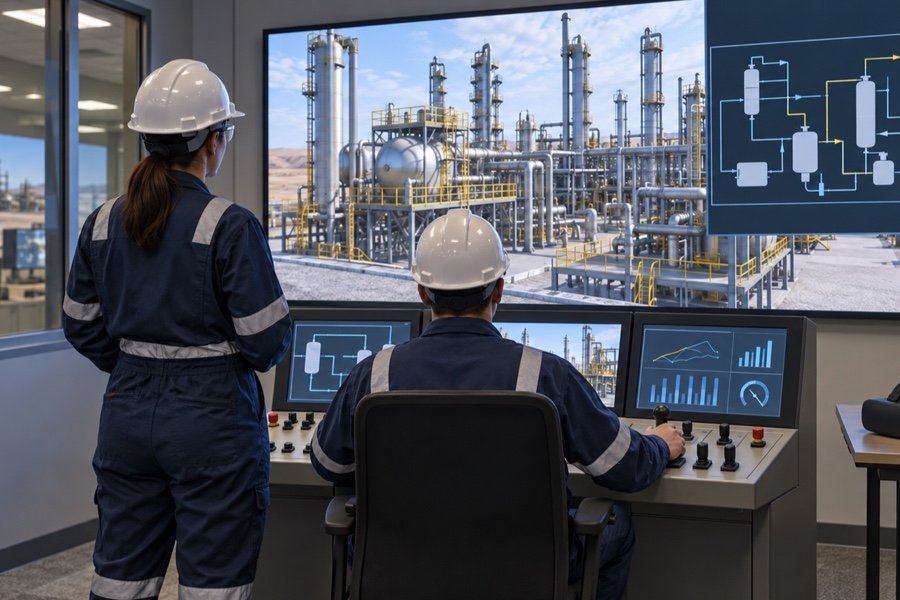
Simulators & Training Technology
Explore virtual reality and detailed operational simulation as tools for representing work scenarios and reviewing decisions.

TECHNICAL AREA
Data Center, Cloud & Networks
Explore data center design, cloud infrastructure, resilient networks, and digital management for connected organizations.
TECHNICAL AREA
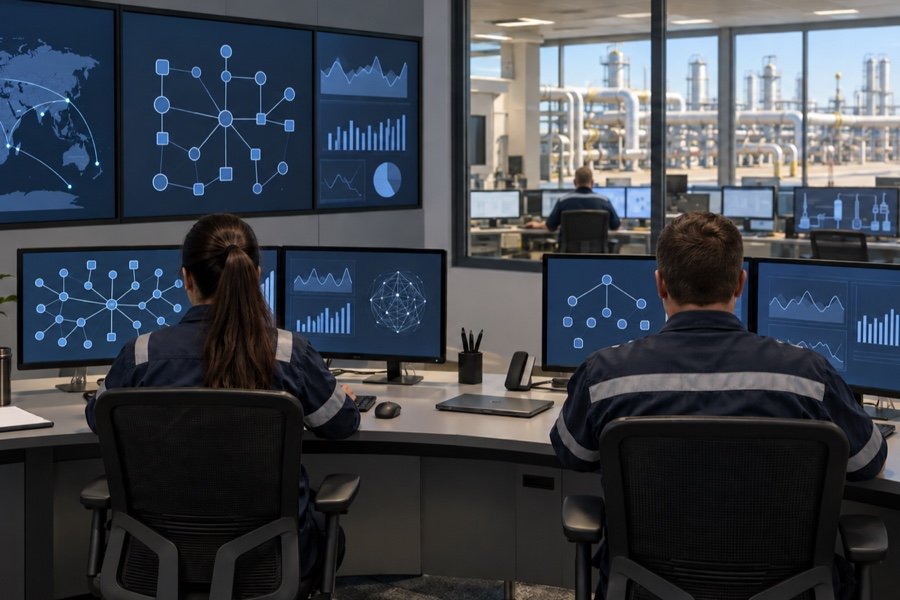
Cybersecurity
Explore threat intelligence, incident response, network defense, and security governance for business and operational systems.
TECHNICAL AREA
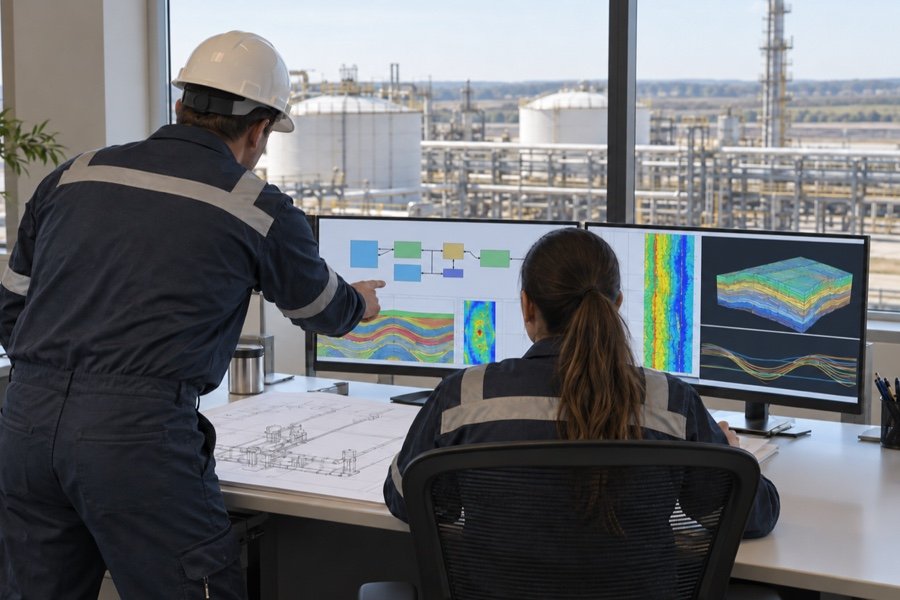
Specialized Software Tools
Explore the use and support of named software tools within technical information and engineering workflows.

TECHNICAL AREA
Geochemistry & Modeling
Explore petroleum systems, geochemistry, digital rock physics, and integrated modeling for reservoir evaluation and development.