
OIL & GAS · TECHNICAL AREA
Geochemistry & Modeling
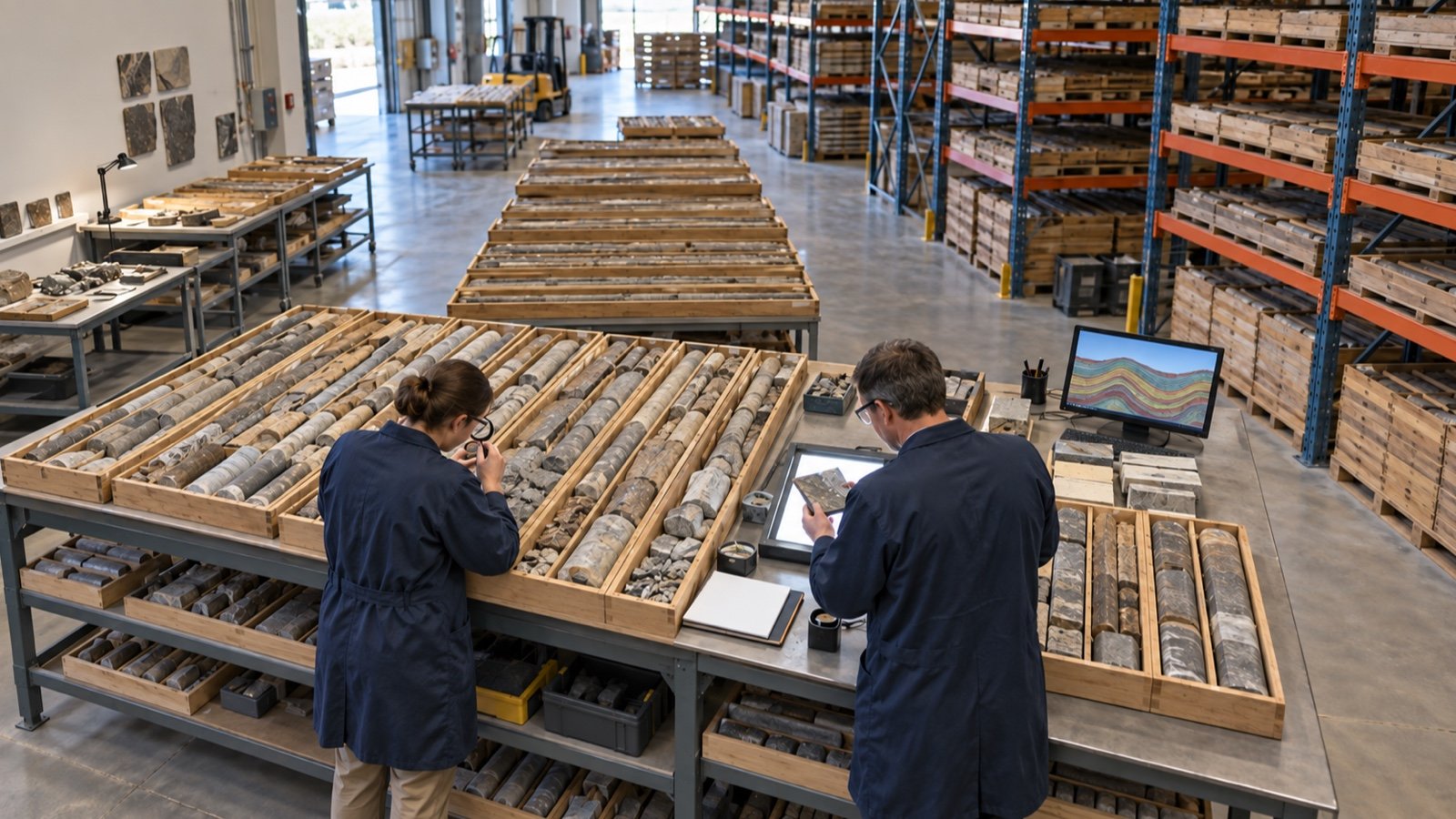
Petroleum geochemistry and integrated modeling provide the foundation for examining hydrocarbon systems and reservoir behavior across this specialist area. The courses cover uncertainty and risk analysis alongside the kinetics of hydrocarbon generation and cracking in petroleum system modeling projects. Modeling in areas with intense tectonic activity connects geological complexity with the interpretation of petroleum systems. Applications of petroleum geochemistry link subsurface evaluation with reservoir management and production development strategies. Asphaltene studies and digital rock physics extend the scope to fluid-related questions and the characterization of rock properties, while the intended scope of the listed asphaltene subject requires provider clarification. Coupled reservoir geomechanics simulation brings reservoir and mechanical behavior together, connecting these subjects with integrated subsurface assessment.
7 COURSES
Courses in this area
Course
What it covers
Suitable roles
Uncertainty and Risk Analysis in Petroleum System Modeling
Addresses uncertainty in petroleum system models and its implications for interpreting hydrocarbon systems. Risk analysis connects model assumptions and geological uncertainty with subsurface assessment.
Suitable for: Petroleum Systems Modeler, Exploration Geologist, Petroleum Geochemist
Kinetics in Hydrocarbon Generation and Cracking in Petroleum System Modeling Projects
Focuses on the kinetics of hydrocarbon generation and cracking and their representation in petroleum system models. These processes link thermal evolution with interpretations of hydrocarbon formation and alteration.
Suitable for: Petroleum Geochemist, Petroleum Systems Modeler, Basin Modeler
Petroleum System Modeling in Areas with Intense Tectonic Activity
Connects tectonic complexity with petroleum system modeling and the interpretation of hydrocarbon systems. Geological deformation is considered as a factor in reconstructing basin evolution.
Suitable for: Petroleum Systems Modeler, Structural Geologist, Exploration Geologist
Applications of Petroleum Geochemistry in Reservoir Management and Production Development Strategies
Relates petroleum geochemical interpretation to reservoir management and production development strategies. The emphasis is on how fluid-related information contributes to integrated subsurface evaluation.
Suitable for: Petroleum Geochemist, Reservoir Engineer, Production Geologist
Asphaltene Studies Assurance
Examines asphaltene behavior in reservoir fluids and its relationship to deposition and production conditions. Fluid characterization and the review of operating conditions provide context for assessing asphaltene-related flow concerns.
Suitable for: Petroleum Geochemist, Flow Assurance Engineer, Production Chemist
Digital Rock Physics
Uses digital representations of rock structure as a basis for discussing rock properties and reservoir characterization.
Suitable for: Petrophysicist, Rock Physicist, Reservoir Engineer
Coupled Reservoir Geomechanics Simulation
Brings reservoir simulation and mechanical rock behaviour into a coupled modeling framework. The relationship between reservoir conditions and rock deformation provides context for integrated subsurface assessment.
Suitable for: Geomechanics Engineer, Reservoir Simulation Engineer, Reservoir Engineer
Who these courses are for
Petroleum Geochemist
Petroleum Systems Modeler
Reservoir Engineer
Exploration Geologist
Basin Modeler
Structural Geologist
HOW TO APPLY
Your next step, when you are ready.
Select APPLY to open the shared application page with Geochemistry & Modeling preselected, then choose a course.
Related areas

FEATURED AREA
Oil & Gas Law
Examine international legal frameworks, contract responsibilities, risk allocation, dispute resolution, and compliance considerations in oil and gas projects.
TECHNICAL AREA
Geophysics & Exploration
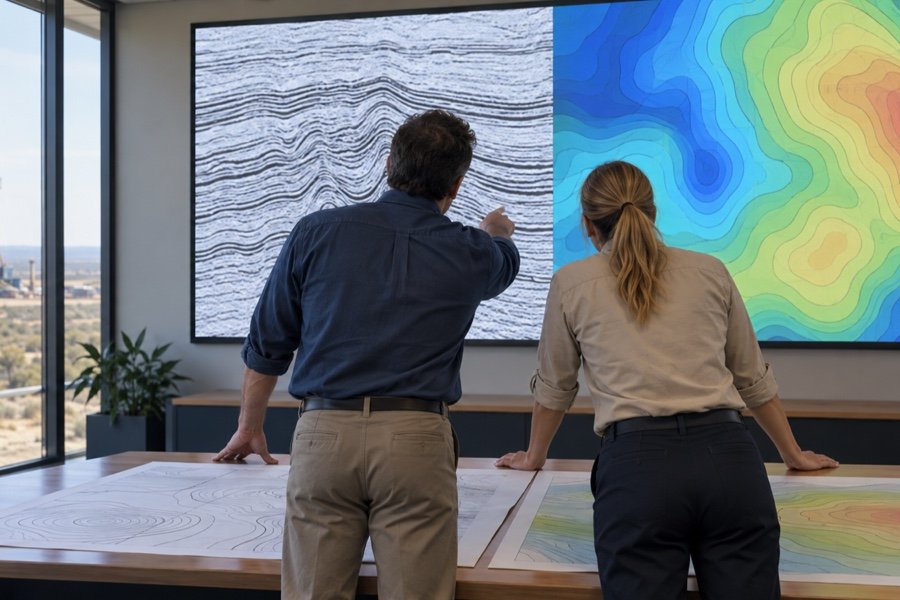
Explore seismic acquisition, survey design, exploration risk, and geochemical interpretation for assessing subsurface opportunities.

TECHNICAL AREA
Drilling Engineering
Explore advanced drilling methods, offshore rigs, drilling fluids, simulation, and equipment topics for complex well operations.

TECHNICAL AREA
Deepwater & Subsea
Discover deepwater well planning, subsea equipment, drilling operations, completions, and risk management across offshore well development.
TECHNICAL AREA
Reservoir & EOR
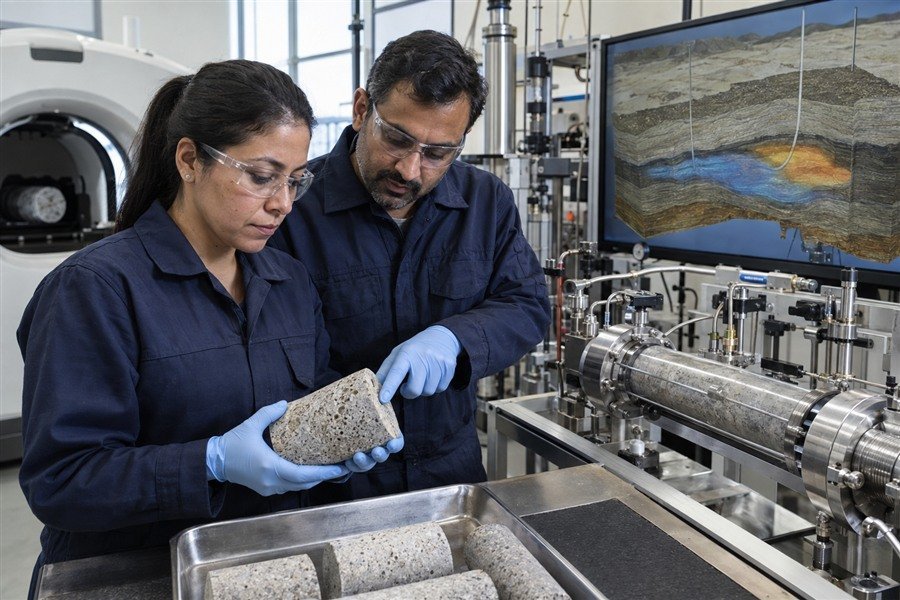
Connect reservoir evaluation, AI-assisted analysis, enhanced oil recovery, and field development planning with data-driven engineering methods.
TECHNICAL AREA
Corrosion Control
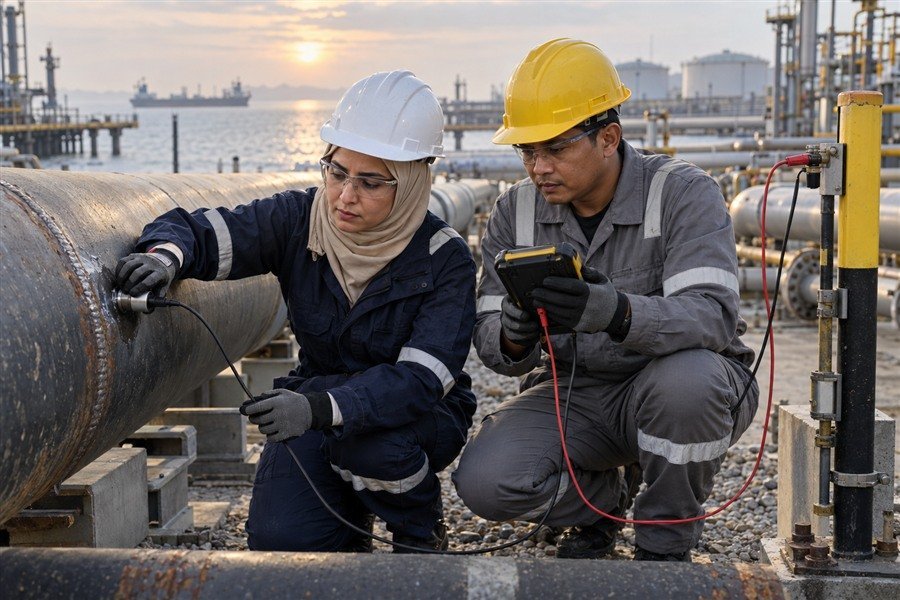
Examine material selection, cathodic protection, and advanced inspection methods for corrosion management and asset integrity assessment.